Work remotely with OMRIA
#Learn | #Grow | #Lead | #Anywhere
Your skills shouldn't be limited by geography.
Join a network of remote MRI experts delivering world-class MRI examinations from wherever you are.
Join a network of remote MRI experts delivering world-class MRI examinations from wherever you are.
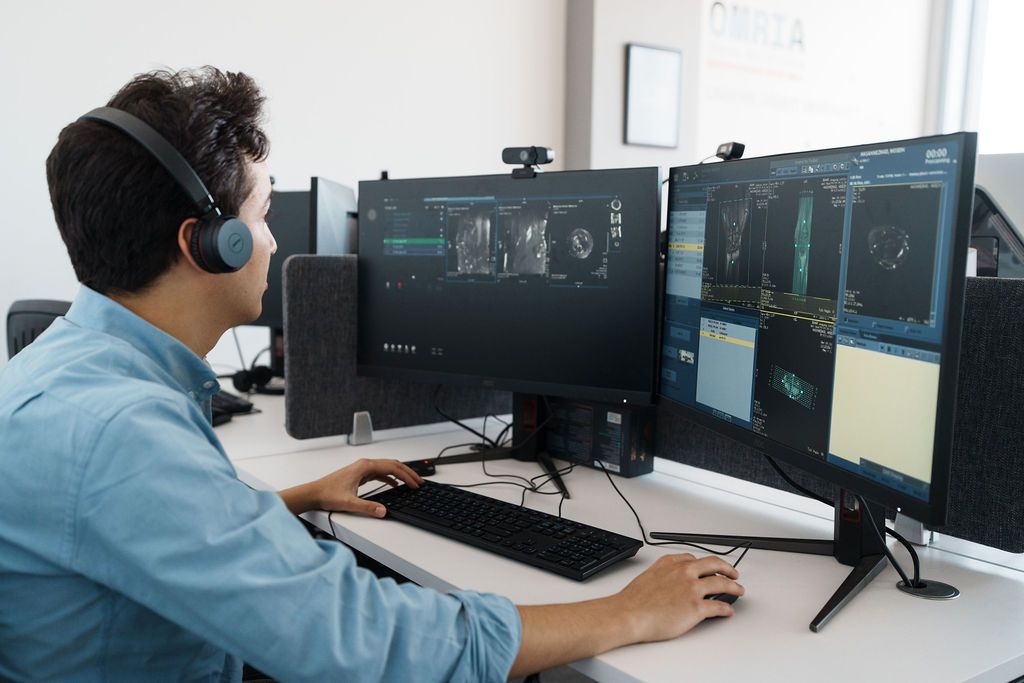
We help you reach your professional goals. From Anywhere.
We are here to create new opportunities for you to thrive in your profession
OMRIA gives MRI technologists access to real cross-border cases, structured clinical growth, and the freedom to work from wherever suits them best. We give you the chance to build your career without living the comfort of your own country.
Worldwide Hubs
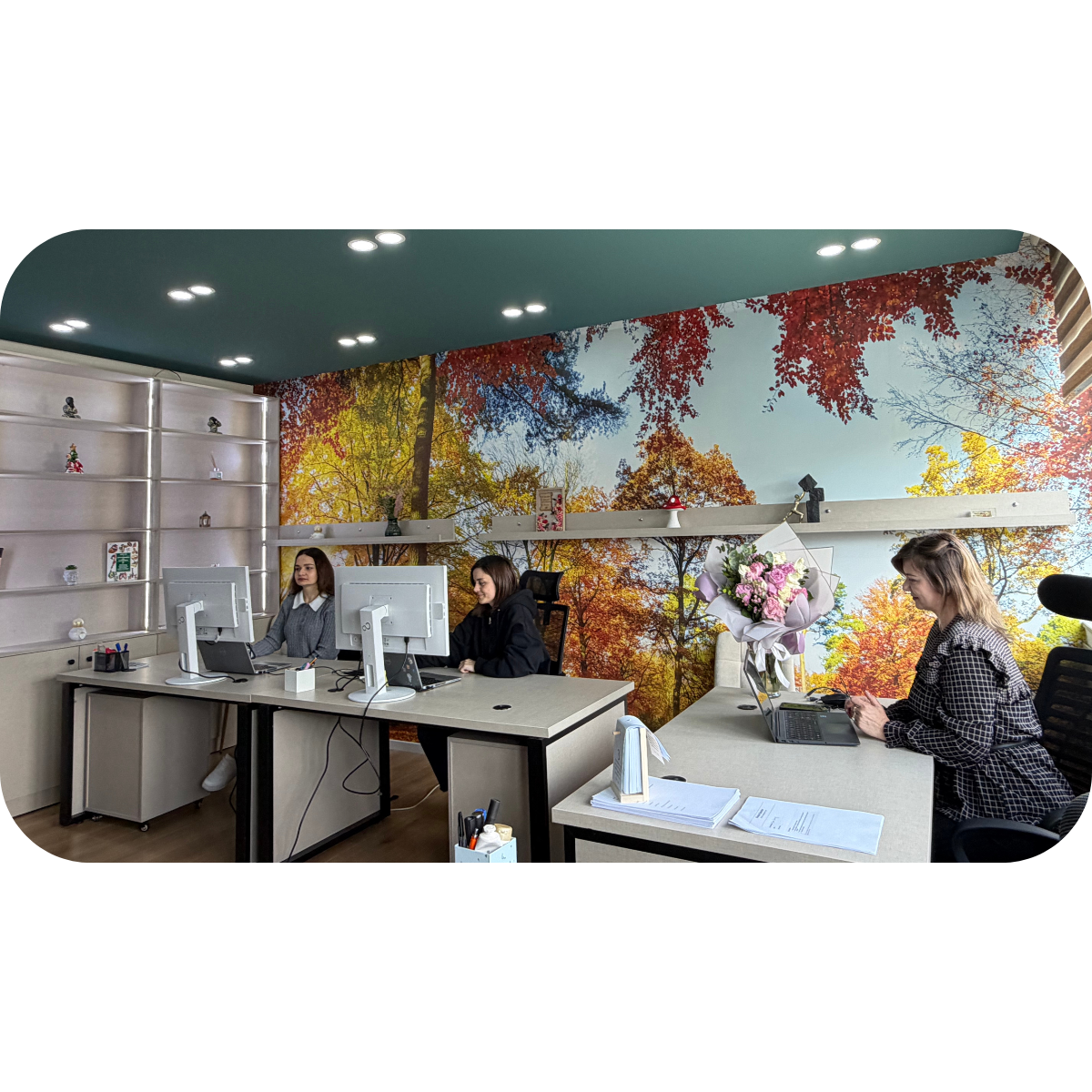
Work from our hubs in Portugal, Egypt, and Albania, or from home. Our infrastructure is built so you can deliver diagnostic-quality scans from wherever you are, with full clinical and technical support behind you. More international hubs to come soon.
Training & onboarding
No guesswork. No figuring it out alone. We onboard you into real workflows, real systems, real platforms, and real cases from day one, so you're scanning confidently before you know it.
Clinical growth
Cases that build careers. Cardiac, neuro, MSK; complex modalities most MRI technologists rarely touch locally. With OMRIA, they become your everyday. Build subspecialty depth faster than any single department could ever offer.
Work that works for you
Frequently Asked Questions
Getting started & eligibility
What qualifications do I need to apply?
You need to be a qualified MRI technologist with a recognised national certification (such as ARRT, HCPC, or equivalent for the country you will be working for) and at least 1–2 years of hands-on scanning experience. Strong knowledge of at least one field strength (1.5T or 3T) is required. Prior remote experience is not expected — that's what our onboarding is for.
You need to be a qualified MRI technologist with a recognised national certification (such as ARRT, HCPC, or equivalent for the country you will be working for) and at least 1–2 years of hands-on scanning experience. Strong knowledge of at least one field strength (1.5T or 3T) is required. Prior remote experience is not expected — that's what our onboarding is for.
Can I apply if I've never worked internationally before?
Absolutely. Most of our MRI technologists had never worked across borders before joining OMRIA. Our structured onboarding introduces you to international clinical workflows, documentation standards, and platform differences on a step by step approach so you can confidently scan for facilities in other countries from day one.
Absolutely. Most of our MRI technologists had never worked across borders before joining OMRIA. Our structured onboarding introduces you to international clinical workflows, documentation standards, and platform differences on a step by step approach so you can confidently scan for facilities in other countries from day one.
Do I need to relocate or move to one of your hubs?
No relocation is required. You can work from one of our hubs in Portugal, Egypt, or Albania, or entirely from home in certain dedicated situations. Our infrastructure is built to support diagnostic-quality remote scanning from wherever you are, provided you have a stable internet connection and meet our technical requirements.
No relocation is required. You can work from one of our hubs in Portugal, Egypt, or Albania, or entirely from home in certain dedicated situations. Our infrastructure is built to support diagnostic-quality remote scanning from wherever you are, provided you have a stable internet connection and meet our technical requirements.
How remote scanning works
How do I control a scanner that's in another country?
OMRIA uses secure, low-latency remote access technology that lets you operate MRI consoles as if you were sitting in front of them. You interact with the scanner's interface in real time, adjust protocols, and monitor patient comfort through live audio and video feeds, while on-site support staff are always present at the facility to assist the patient physically.
OMRIA uses secure, low-latency remote access technology that lets you operate MRI consoles as if you were sitting in front of them. You interact with the scanner's interface in real time, adjust protocols, and monitor patient comfort through live audio and video feeds, while on-site support staff are always present at the facility to assist the patient physically.
What happens if there's a technical issue mid-scan?
You're never alone in a technical issue. OMRIA provides real-time clinical and technical support throughout your shifts. Each facility also has on-site staff who can intervene physically if needed. Our escalation protocols are clear and fast, and you'll be fully trained on them before you scan your first case.
You're never alone in a technical issue. OMRIA provides real-time clinical and technical support throughout your shifts. Each facility also has on-site staff who can intervene physically if needed. Our escalation protocols are clear and fast, and you'll be fully trained on them before you scan your first case.
What types of MRI cases will I be scanning?
OMRIA covers a broad clinical range, including cardiac, neurological, and musculoskeletal imaging; complex subspecialty modalities that most technologists rarely encounter in a single local department. This variety is intentional: it's how we help you build deeper expertise faster than any one hospital could offer.
OMRIA covers a broad clinical range, including cardiac, neurological, and musculoskeletal imaging; complex subspecialty modalities that most technologists rarely encounter in a single local department. This variety is intentional: it's how we help you build deeper expertise faster than any one hospital could offer.
Pay, scheduling & career growth
How is pay structured?
Compensation at OMRIA is tied to your clinical skill level and the complexity of cases you handle, not just seniority or location. As you build subspecialty depth and take on more advanced scanning, your pay reflects that growth. Detailed rates are discussed during your application process.
Compensation at OMRIA is tied to your clinical skill level and the complexity of cases you handle, not just seniority or location. As you build subspecialty depth and take on more advanced scanning, your pay reflects that growth. Detailed rates are discussed during your application process.
Can I work for OMRIA alongside my current job?
Yes, in many cases. We offer flexible scheduling designed to respect your life outside of work. Whether you want to start part-time while keeping a local position, or transition fully into remote scanning over time, we work with you to build a schedule that fits. Speak to our team during your application to discuss your specific situation.
Yes, in many cases. We offer flexible scheduling designed to respect your life outside of work. Whether you want to start part-time while keeping a local position, or transition fully into remote scanning over time, we work with you to build a schedule that fits. Speak to our team during your application to discuss your specific situation.
What does career progression look like at OMRIA?
OMRIA is built to grow with you. Regular case reviews, peer learning sessions, and access to complex cross-border cases mean your skills advance faster than in a traditional department. Over time, technologists can take on senior scanning roles, mentorship responsibilities, and specialised modality leads. There's a defined path, not just a job.
OMRIA is built to grow with you. Regular case reviews, peer learning sessions, and access to complex cross-border cases mean your skills advance faster than in a traditional department. Over time, technologists can take on senior scanning roles, mentorship responsibilities, and specialised modality leads. There's a defined path, not just a job.
Most MRI technologists never scan beyond their postcode.
You're not most MRI technologists.
Copyright © 2026
Created with